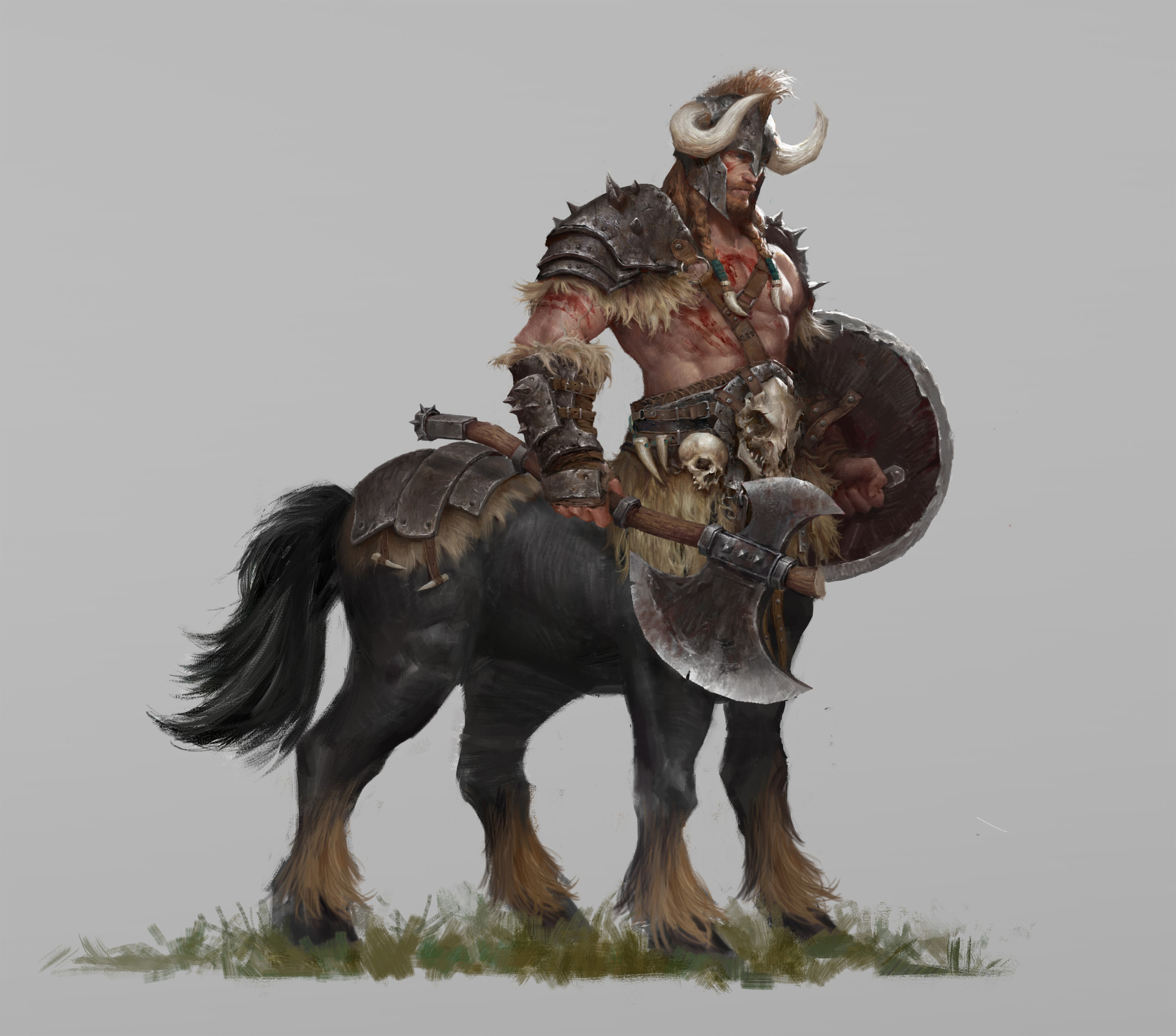

When I first stumbled upon the concept of Central Asian Centaur Concept Art, I was immediately captivated by its unique blend of mythology and cultural richness. As someone who’s spent years studying and creating concept art, I’ve always been drawn to themes that merge historical depth with imaginative storytelling. Central Asian Centaur Concept Art, in particular, stands out for its ability to reimagine ancient legends through a modern lens. This genre not only pays homage to the rich traditions of Central Asia but also pushes the boundaries of what mythological creatures can represent in contemporary art.
Understanding the Roots of Central Asian Centaur Concept Art
To truly appreciate Central Asian Centaur Concept Art, it’s essential to understand its cultural and historical context. Centaurs, traditionally depicted as half-human, half-horse creatures, have roots in Greek mythology. However, Central Asian interpretations often incorporate local folklore and symbolism, making them distinct. In my experience, artists in this niche draw heavily from the nomadic traditions of the region, where horses were not just animals but symbols of freedom, strength, and spiritual connection.
One of the most fascinating aspects of this art form is how it adapts the centaur archetype to reflect Central Asian aesthetics. For instance, the clothing, weaponry, and even the physical features of the centaurs often mirror traditional Kazakh, Uzbek, or Kyrgyz designs. This attention to detail not only adds authenticity but also invites viewers to explore the cultural narratives embedded in the artwork.
Key Elements of Central Asian Centaur Concept Art
Creating compelling Central Asian Centaur Concept Art requires a deep understanding of both mythological and cultural elements. Here are some key components I’ve found to be essential:
1. Cultural Authenticity
Incorporating accurate cultural references is non-negotiable. From the intricate patterns on a centaur’s armor to the design of its saddle, every detail should reflect Central Asian traditions. I’ve learned that even small inaccuracies can detract from the overall impact of the piece.
2. Mythological Fusion
While centaurs are rooted in Greek mythology, Central Asian interpretations often blend them with local legends. For example, some artists depict centaurs as guardians of sacred mountains or as companions to ancient heroes. This fusion creates a unique narrative that feels both familiar and fresh.
3. Dynamic Composition
Centaurs are inherently dynamic creatures, and their portrayal should reflect this. Whether they’re galloping across the steppe or engaged in battle, the composition should convey movement and energy. In my work, I’ve found that experimenting with different angles and perspectives can bring these creatures to life.
Tools and Techniques for Creating Central Asian Centaur Concept Art
As with any form of concept art, the tools and techniques you use can significantly impact the final result. Here’s what I’ve found works best for Central Asian Centaur Concept Art:
- Digital Software: Programs like Photoshop, Procreate, and Clip Studio Paint are my go-to tools. They offer the flexibility needed to experiment with textures, colors, and lighting.
- Reference Materials: Collecting reference images of Central Asian textiles, weaponry, and landscapes is crucial. These resources help ensure cultural accuracy and inspire creative decisions.
- Sketching: Starting with rough sketches allows me to explore different poses and compositions before committing to a final design. This step is where most of the magic happens.
✨ Note: Don’t rush the research phase. The more you immerse yourself in Central Asian culture, the more authentic and impactful your art will be.
Challenges and How to Overcome Them
Creating Central Asian Centaur Concept Art isn’t without its challenges. One of the biggest hurdles I’ve faced is balancing cultural authenticity with creative freedom. It’s easy to get carried away with imaginative elements, but staying true to the source material is essential.
Another challenge is depicting the anatomy of centaurs in a way that feels natural. The transition between human and horse forms must be seamless, which requires a solid understanding of both human and equine anatomy. I’ve found that studying real-life references and practicing gesture drawing can help overcome this obstacle.
The Impact of Central Asian Centaur Concept Art
What makes Central Asian Centaur Concept Art so powerful is its ability to bridge the gap between ancient mythology and modern storytelling. It not only preserves cultural heritage but also introduces it to new audiences in a visually compelling way. In my experience, this genre has the potential to inspire a deeper appreciation for Central Asian traditions and encourage further exploration of its rich history.
Moreover, Central Asian Centaur Concept Art challenges traditional representations of mythological creatures. By infusing them with cultural specificity, artists can create narratives that resonate on a personal and universal level. This duality is what makes the genre so captivating and enduring.
Central Asian Centaur Concept Art is more than just a visual treat—it’s a testament to the power of cultural fusion and creative imagination. Whether you’re an artist looking to explore new themes or a viewer eager to discover something unique, this genre offers a wealth of inspiration. By understanding its roots, mastering its key elements, and embracing its challenges, you can create or appreciate art that truly stands out. So, pick up your digital brush or simply immerse yourself in the world of Central Asian centaurs—either way, you’re in for an unforgettable journey.