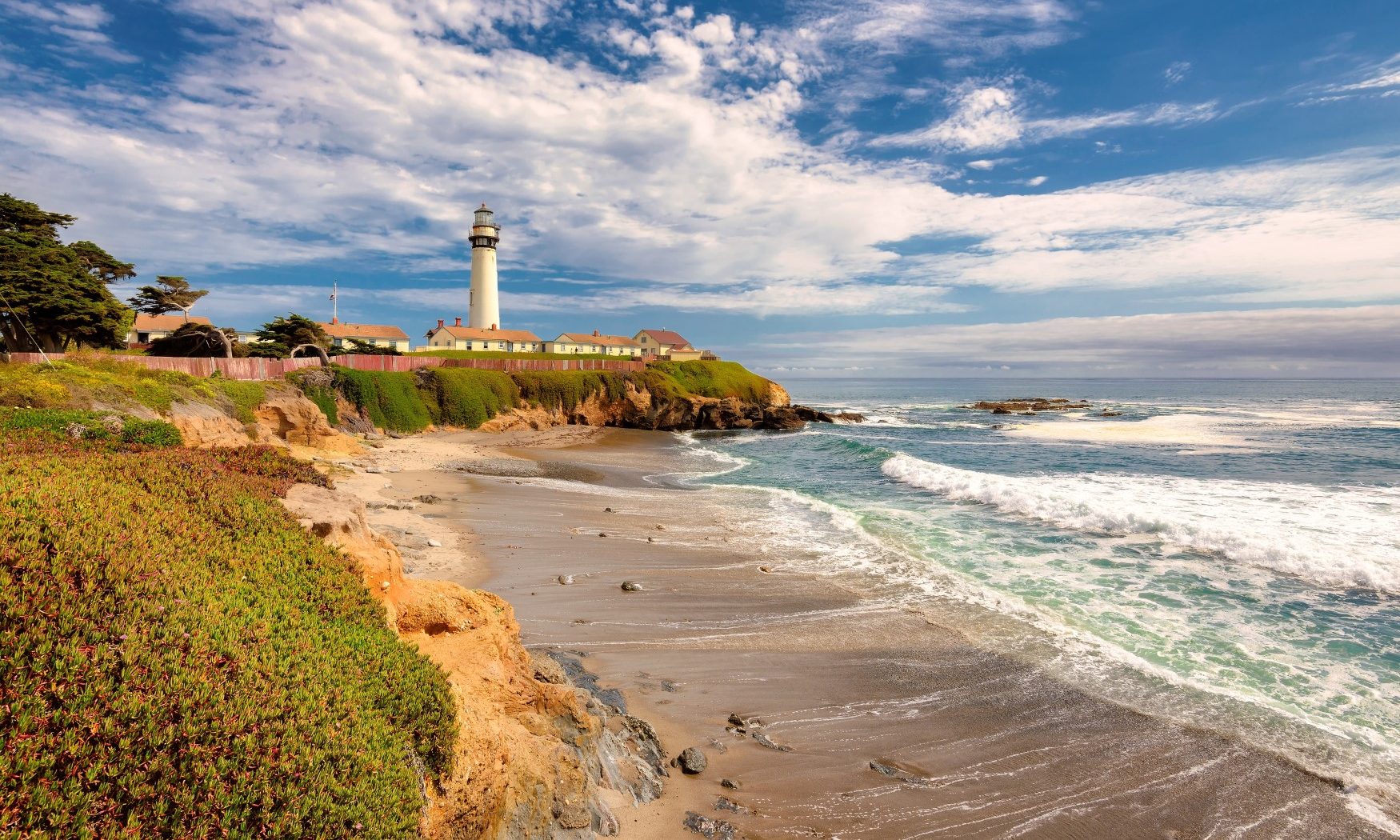

There’s something about standing at the edge of Point Conception Santa Barbara that makes you feel like you’re at the edge of the world. The first time I visited, the wind was fierce, the waves crashed violently against the cliffs, and the horizon seemed to stretch endlessly. It’s not just a geographical landmark; it’s a place where the Pacific Ocean meets the California coast with raw, untamed energy. Point Conception, often referred to as the "Cape Horn of California," has been a pivotal point for sailors, explorers, and nature enthusiasts alike. Its unique location, where the coastline shifts dramatically, has shaped both its history and its ecological significance.
The Geographical Significance of Point Conception Santa Barbara
Point Conception is more than just a scenic spot; it’s a geological anomaly. Located about 30 miles west of Santa Barbara, it marks the point where the coastline transitions from a north-south orientation to an east-west direction. This shift isn’t just visually striking—it’s also a critical factor in the region’s climate and marine ecosystems. The cold waters of the California Current meet the warmer southern currents here, creating a biological hotspot that supports a diverse array of marine life.
For sailors, Point Conception has long been both a challenge and a landmark. Its unpredictable weather and strong currents have earned it a reputation as one of the most treacherous stretches of coastline in California. I’ve spoken to local sailors who’ve described navigating these waters as both humbling and exhilarating. It’s a place that demands respect and preparation.
Historical Context: Point Conception as a Cultural Crossroads
Long before it became a navigational challenge for sailors, Point Conception was a sacred site for the Chumash people. They called it Humqaq, a place of spiritual significance and a hub for trade and communication. The Chumash were skilled navigators themselves, using tomols (traditional plank canoes) to travel along the coast and across the Channel Islands. Their deep connection to this land is evident in the archaeological sites scattered throughout the area.
European explorers arrived in the 16th century, bringing with them new names and new challenges. Gaspar de Portolà, a Spanish explorer, named it Punta de la Concepción in 1769. The Spanish established missions nearby, further altering the cultural landscape. Today, the area is a blend of indigenous history, colonial influence, and modern conservation efforts.
Exploring the Natural Wonders of Point Conception
If you’re planning a visit, be prepared for a raw, unfiltered experience. Unlike some of California’s more developed coastal areas, Point Conception remains largely untouched. The hike to the lighthouse, for example, is a rugged trek that rewards you with breathtaking views of the Pacific. Along the way, you’ll encounter native plants like sagebrush and chaparral, adapted to the region’s dry, windy conditions.
The marine life here is equally impressive. Gray whales migrate past Point Conception annually, and if you time your visit right, you might spot them breaching in the distance. Sea lions, seals, and a variety of seabirds also call this place home. I once spent hours watching a group of pelicans dive-bombing for fish—a reminder of the area’s vibrant ecosystem.
What to Bring and What to Expect
Here’s the thing: Point Conception isn’t a place for casual sightseeing. The weather can change in an instant, and the trails are often steep and uneven. Here’s what I’ve found works best:
- Sturdy footwear: The terrain is rocky, and the trails can be slippery after rain.
- Layers: The wind can be biting, even on sunny days.
- Water and snacks: There are no facilities nearby, so come prepared.
- Binoculars: For wildlife watching, they’re a game-changer.
📌 Note: Always check weather conditions before heading out. Fog and high winds are common, and they can make navigation difficult.
Conservation Efforts and the Future of Point Conception
As someone who’s spent years exploring California’s coast, I’ve seen firsthand how vulnerable these ecosystems are. Point Conception is no exception. Climate change, pollution, and overfishing threaten its delicate balance. Fortunately, there are ongoing efforts to protect the area. The Vandenberg Air Force Base, which manages much of the land, has implemented strict conservation measures, and local organizations work tirelessly to restore native habitats.
One of the most inspiring initiatives I’ve come across is the restoration of the Chumash cultural sites. By involving indigenous communities in conservation efforts, these projects not only protect the land but also honor its history. It’s a reminder that preserving nature isn’t just about ecosystems—it’s about culture, too.
Point Conception Santa Barbara isn’t just a place; it’s a testament to the power of nature and history. Whether you’re a hiker, a history buff, or simply someone who appreciates raw beauty, it’s a destination that leaves a lasting impression. So, if you find yourself on California’s Central Coast, take the time to visit. Just remember: this isn’t a place to rush through. Slow down, take it in, and let the wind and waves remind you of the world’s untamed edges.
Related Terms:
- Point Conception Santa Barbara ca
- Point Conception Santa Barbara california
- Point Conception Santa Barbara church
- santa barbara google maps
- santa barbara bank
- santa barbara maps