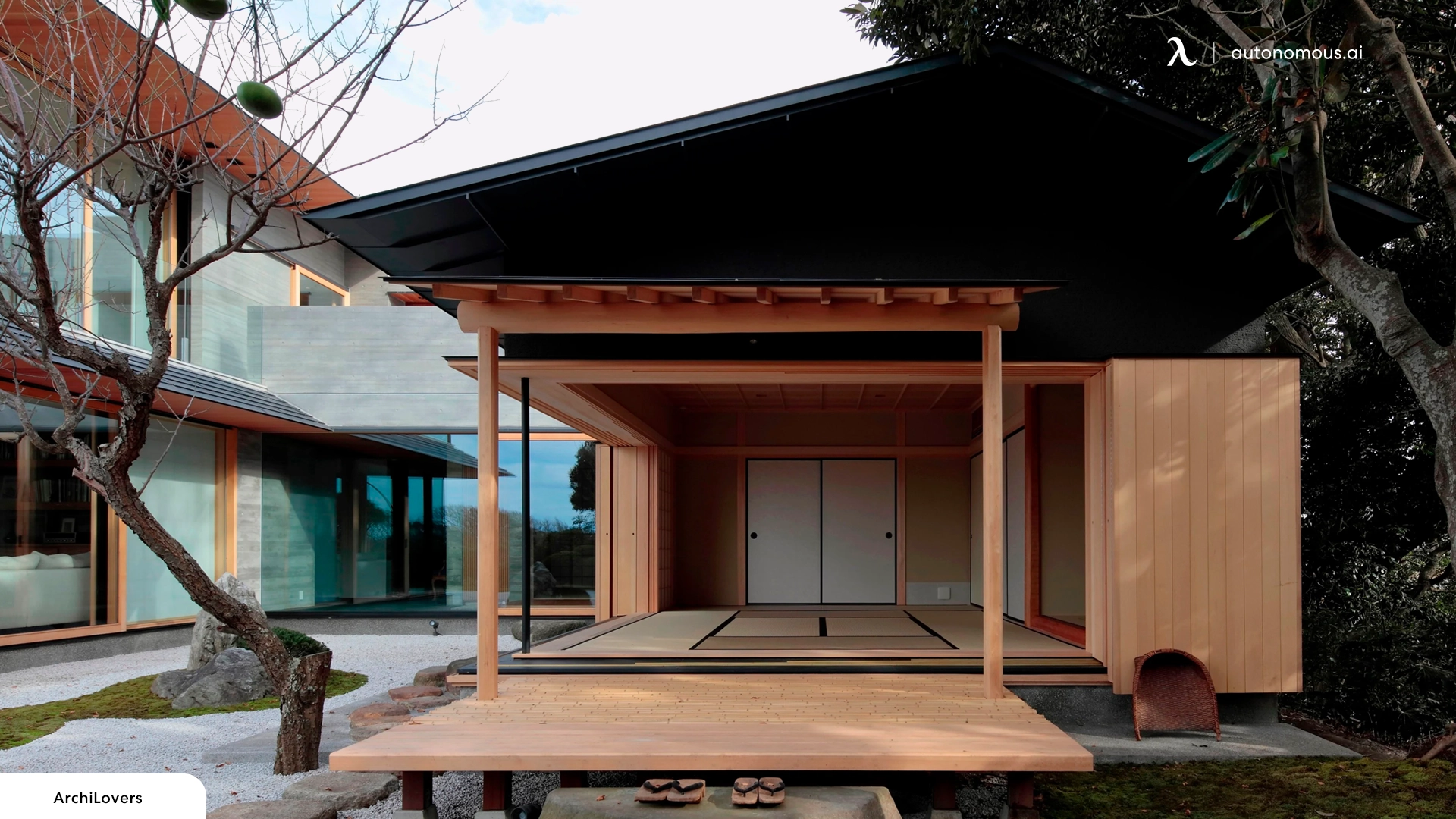

When I first stepped into a traditional Japanese building, I was struck by how every element seemed to whisper a story of harmony and precision. The keyword here is traditional Japanese buildings, and they’re not just structures—they’re a living testament to centuries of craftsmanship and cultural philosophy. Unlike modern architecture, these buildings prioritize natural materials, open spaces, and a seamless blend with their surroundings. I’ve found that understanding their design isn’t just about aesthetics; it’s about grasping a mindset that values balance, simplicity, and respect for nature. This is where it gets interesting: even in today’s fast-paced world, these principles still hold lessons for sustainable and mindful living.
The Essence of Traditional Japanese Buildings
At their core, traditional Japanese buildings are defined by their use of wood, paper, and earth. The machiya (townhouses) and sukiya-zukuri (tea ceremony houses) are prime examples, showcasing a design philosophy rooted in wabi-sabi—finding beauty in imperfection. What sets them apart is their adaptability; sliding doors (shoji) and tatami mats create fluid spaces that can be reconfigured for different needs. Honestly, this flexibility is something I wish more modern homes incorporated. Another key feature is the emphasis on natural light and ventilation, achieved through paper screens and raised floors. This isn’t just about comfort—it’s about creating a connection between the indoors and outdoors, a principle I’ve come to appreciate deeply.
Key Elements of Traditional Japanese Architecture
Materials and Construction
Wood is the backbone of traditional Japanese buildings, often left unpainted to age gracefully. The joinery techniques are nothing short of remarkable—no nails, just precision cuts that fit together like a puzzle. I’ve seen firsthand how this not only ensures durability but also allows the structure to withstand earthquakes. Paper screens (washi) are another staple, diffusing light and providing privacy without blocking airflow. Here’s the thing: these materials aren’t chosen for convenience; they’re chosen because they work in harmony with the environment and the people who inhabit the space.
Design Principles
The layout of traditional Japanese buildings is deliberate, often centered around a garden or courtyard. The genkan (entryway) serves as a transition space, both physically and mentally, marking the shift from the outside world to the calm interior. Tatami mats, made from straw, define the living areas and dictate the room’s proportions. I’ve noticed that this attention to detail extends to even the smallest elements, like the placement of a tokonoma (alcove) for displaying art or flowers. It’s all about creating a sense of tranquility and purpose in every corner.
Comparing Traditional and Modern Japanese Architecture
| Aspect | Traditional Japanese Buildings | Modern Japanese Buildings |
|---|---|---|
| Materials | Wood, paper, earth | Concrete, steel, glass |
| Design Focus | Harmony with nature | Efficiency and innovation |
| Space Flexibility | High (sliding doors, tatami) | Moderate (fixed walls) |
| Aesthetic | Minimalist, organic | Sleek, futuristic |
While modern Japanese architecture has its merits, traditional buildings offer something unique: a timeless connection to nature and culture. That said, I’ve seen contemporary architects draw inspiration from these traditions, blending old and new in fascinating ways. It’s a reminder that innovation doesn’t always mean abandoning the past.
Practical Lessons for Modern Living
What can we learn from traditional Japanese buildings? For starters, the emphasis on natural materials and ventilation is a masterclass in sustainability. I’ve incorporated some of these principles into my own home, like using wood accents and maximizing natural light. Another takeaway is the value of flexible spaces—something I’ve found particularly useful in small urban apartments. Honestly, the simplicity and intentionality of these designs have made me rethink how I approach my living environment.
💡 Note: When incorporating traditional Japanese elements into modern spaces, avoid overdoing it. A few well-chosen details, like a shoji-inspired screen or tatami-style seating, can go a long way without feeling out of place.
Traditional Japanese buildings are more than just structures; they’re a philosophy brought to life. From their meticulous craftsmanship to their focus on harmony, they offer lessons that are as relevant today as they were centuries ago. I’ve found that even small changes inspired by these principles can transform a space into something more mindful and intentional. The next time you walk into a room, ask yourself: does it bring you closer to nature? Does it feel balanced? That’s the essence of traditional Japanese architecture—and it’s something we can all strive for.
Related Terms:
- Traditional Japanese Buildings minecraft
- traditional japanese music
- traditional japan
- traditional japanese food
- traditional japanese clothing
- traditional japanese architecture